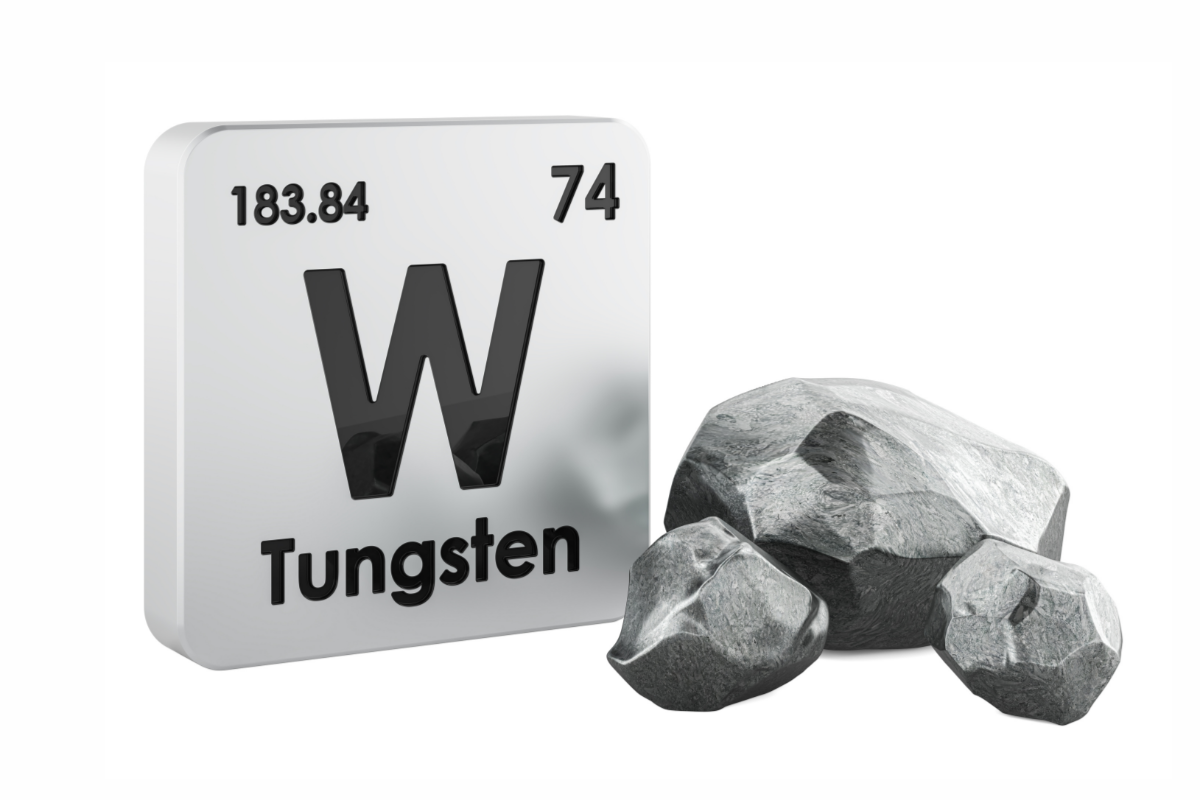
Why Is Tungsten So Expensive?
If you run a CNC router, manage a machine shop, or source industrial cutting tools, you have likely noticed that solid carbide end mills and tungsten router bits carry a steep price tag compared to traditional high speed steel.
Tungsten is not a precious metal like gold or platinum, yet in raw form and cemented carbide compounds, it commands a premium across global markets. Understanding why tungsten is so expensive requires looking at the physics of the metal, the complex chemistry of powder metallurgy, concentrated global supply chains, and intense industrial demand.
1. Extreme Physical Properties Make Extraction and Machining Costly
Tungsten, chemical symbol W from the historical name Wolfram, has unique physical characteristics that make it exceptionally durable and equally difficult to process.
-
Highest Melting Point of Any Metal: Pure tungsten melts at 3422°C (6192°F). Conventional foundries cannot melt and cast it like iron, aluminum, or bronze.
-
Powder Metallurgy Processing: Because it cannot be cast, raw tungsten ore such as scheelite or wolframite must undergo multi stage chemical refining into ammonium paratungstate, be converted into fine tungsten powder, blended with a cobalt binder, and sintered under immense pressure and heat. This process demands massive electrical and thermal energy.
-
Severe Grinding and Tool Wear: Cemented tungsten carbide approaches diamond on the Mohs hardness scale. Fluting and sharpening a solid carbide tool cannot be done with conventional abrasives; it requires specialized industrial diamond grinding wheels, which adds machine wear and production overhead to every single unit.
2. Supply Monopoly and Export Restrictions
Natural abundance in the Earth crust does not guarantee cheap accessibility. Tungsten production is geographically concentrated:
-
Single Country Supply Dominance: China controls approximately 80 percent of global tungsten mine output and holds over half of the economically viable reserves worldwide.
-
Mining Quotas and Trade Controls: Quotas on mining extraction and strict licensing on exported downstream tungsten materials limit supply on open international spot markets.
-
High Barrier to Entry for New Mines: While viable deposits exist in countries such as Australia, South Korea, Spain, and Canada, bringing a new tungsten mine online requires years of environmental clearance, tailings management, and capital intensive extraction infrastructure.
3. High Demand Across Critical Industries
Tungsten is irreplaceable in high stress applications where other metals deform or melt under thermal load.
-
CNC Tooling and Machining: Solid carbide end mills, V bits, profiling cutters, and indexable inserts rely on tungsten carbide to maintain sharp cutting edges at high RPMs and heavy feeds.
-
Aerospace and Defense: With a density of 19.25 grams per cubic centimeter, nearly identical to gold, tungsten is vital for kinetic penetrators, radiation shielding, turbine balancing, and aerospace counterweights.
-
Semiconductor and Solar Production: High purity ultra fine tungsten diamond wire has largely replaced steel wire for slicing silicon ingots into wafers for solar panels and electronics, driving substantial industrial consumption.
Tooling Material Comparison
| Feature or Metric | High Speed Steel | Solid Tungsten Carbide |
| Melting Point | ~1400°C to 1450°C | ~2870°C for carbide / 3422°C for pure metal |
| Hardness | 60 to 65 HRC | 90+ HRC (1500 to 2000 HV) |
| Rigidity (Young Modulus) | ~210 GPa | ~550 to 650 GPa |
| Tool Life Under Continuous Cut | Baseline | 3x to 10x longer |
| Raw Material and Processing Cost | Low to Moderate | High to Very High |
Is Tungsten Carbide Tooling Worth the Investment?
Upfront tool cost does not equal total operating cost.
While a solid carbide router bit or end mill costs several times more than a high speed steel equivalent, it delivers distinct economic advantages on the shop floor:
-
Higher Speeds and Feeds: Carbide stays rigid and retains hardness at elevated cutting temperatures, enabling faster cycle times.
-
Reduced Downtime: An edge that lasts 3 to 10 times longer means fewer tool offsets, less frequent machine stops, and lower labor cost per part.
-
Better Surface Finish: High rigidity eliminates tool deflection, producing cleaner edge finishes on hardwoods, composites, aluminum, and dense sheet materials.
Tungsten remains expensive due to intense processing requirements, concentrated global mining, and indispensable mechanical properties, factors that make its premium cost a justifiable investment for precision machining.